Monolise: A Sweet Handwritten Font for Crafters
There is a specific magic in the way a handwritten font can transform a simple product into something personal and cherished. As someone who spends their days cutting vinyl, designing printable planners, and wrapping handmade goods, I have learned that the right typeface is just as important as the materials themselves. Monolise has quickly become one of my go-to design assets because it strikes the perfect balance between playful charm and professional readability. It is not just another script font; it is a versatile tool that breathes life into everything from boutique labels to wedding invitations.
The Warm Personality of Monolise
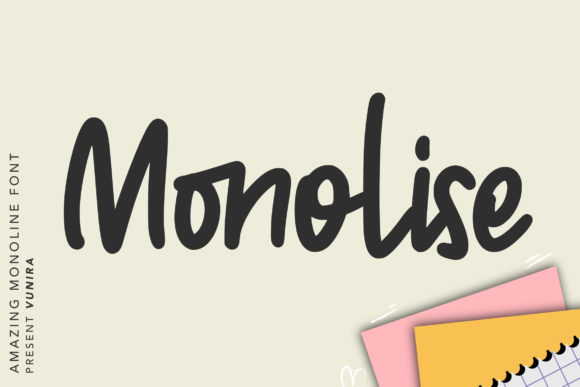
When you first load Monolise into your design software, the difference is immediate. Unlike rigid, mechanical scripts that feel mass-produced, Monolise feels like it was written by a friend with a steady hand. Its strokes are natural, with subtle variations in thickness that mimic real pen pressure. This unique style makes it incredibly fitting for a large pool of designs where authenticity matters. Whether you are creating a logo for a small bakery or writing "Happy Birthday" on a custom cake topper, the font carries an emotional weight that customers subconsciously recognize as genuine.
In the world of modern typography, standing out is difficult. Many designers reach for the same popular calligraphy fonts, leading to a sea of similar-looking products. Monolise breaks this cycle. Its friendly demeanor allows it to sit comfortably in both rustic farmhouse aesthetics and clean, modern minimalism. The font does not scream for attention; instead, it invites the viewer in, making your brand identity feel approachable and warm.
Practical Applications for Physical Products
The true test of any creative font is how it performs when moved from the screen to the physical world. Monolise excels here, proving its worth across a variety of tangible projects. For those of us running Etsy shops or local craft businesses, the ability to scale a font without losing its character is crucial.
- Product Labels and Packaging: I often use Monolise for candle jars, soap wrappers, and coffee bags. The rounded edges and open counters ensure that even at smaller sizes, the text remains legible. It adds a touch of artisanal quality that suggests care went into every step of production.
- Greeting Cards and Invitations: For wedding stationery or baby shower invites, the font provides a sweet, celebratory tone. It works beautifully for names, dates, and short phrases, offering a display font alternative that feels more intimate than traditional serif options.
- Wall Art and Signs: When designing farmhouse signs or nursery prints, Monolise serves as a stunning focal point. Paired with simple illustrations or solid backgrounds, it creates a balanced composition that looks expensive but feels homemade.
- Apparel and Accessories: From tote bags to t-shirts, the font translates well to heat transfer vinyl (HTV) and direct-to-garment printing. The lines are thick enough to hold up during the weeding process but delicate enough to look elegant on fabric.
Readability and Design Best Practices
While Monolise is undeniably beautiful, understanding its limitations ensures your final product looks professional. Like many handwritten fonts, it shines brightest when used for headlines, titles, and short messages. While you can use it for longer paragraphs, doing so on very small items like tiny stickers might reduce readability. For body copy, it is often better to pair Monolise with a clean sans serif font or a simple serif font to maintain visual hierarchy.
If you are using cutting machines like Cricut or Silhouette, keep in mind that intricate swashes or ligatures may require careful weeding. Monolise generally avoids overly complex connections, which is a huge plus for hobbyists and commercial sellers alike. However, always do a test cut on scrap material before committing to your final project. For digital printables, ensure the resolution is high enough that the natural texture of the letters does not appear pixelated when printed at home or by a professional printer.
Mastering Font Pairing with Monolise
One of the most common questions I get from other makers is how to pair fonts effectively. Monolise is a chameleon in this regard. Because it is so organic, it pairs exceptionally well with structured, geometric typefaces. A bold sans serif font can ground the playfulness of Monolise, creating a dynamic contrast that draws the eye. Alternatively, pairing it with a classic serif font can elevate the design, giving it a timeless, editorial feel suitable for high-end branding or luxury packaging.
For example, imagine a wedding welcome sign. You might use Monolise for the couple's names to highlight their personal story, while using a crisp sans serif for the date and venue details to ensure clarity. This combination leverages the strengths of each typeface, resulting in a cohesive and polished look. Experimentation is key; try different weights and sizes to see what best suits your specific brand identity.
Licensing and Commercial Use
As creators, protecting our work and respecting intellectual property is paramount. Before integrating Monolise into your business, it is essential to review the licensing agreement. Most premium fonts offer distinct licenses for personal use versus commercial use. If you plan to sell physical products—such as mugs, shirts, or stickers—or offer digital downloads like SVG files and templates, you will likely need a commercial license.
This distinction protects both the font designer and you, the maker. Using a font without the proper license can lead to legal complications and damage your shop's reputation. Always verify that your license covers the volume of products you intend to sell and the types of media you will use. Investing in the correct license ensures peace of mind and supports the talented designers who create these essential tools for our industry.
Elevating Your Brand with Script Amp
In a saturated market, the details make the difference between a scroll-past and a sale. Monolise offers a pathway to distinguish your brand through thoughtful typography. It is more than just a set of letters; it is a vehicle for storytelling. Whether you are crafting a new line of seasonal holiday decorations or launching a permanent collection of home decor, this font provides the flexibility to adapt to your vision.
The versatility of Monolise means you can maintain consistency across your entire product line. From social media graphics to packaging design, using a single, recognizable typeface helps build customer recognition. When clients see that familiar, friendly handwriting on your Instagram post and then on the label of the product they receive, it reinforces trust and quality. In the end, the only limit is your imagination, and with a tool this robust, the possibilities for your handmade business are endless.